The Journal · 3 min read
Lehenga, sharara or anarkali? How to choose for every wedding function
A practical guide to choosing between a lehenga, a sharara and an anarkali for haldi, mehendi, sangeet, the wedding and the reception — comfort, colour and fit.
By the Suvastram Label studio, Surat ·
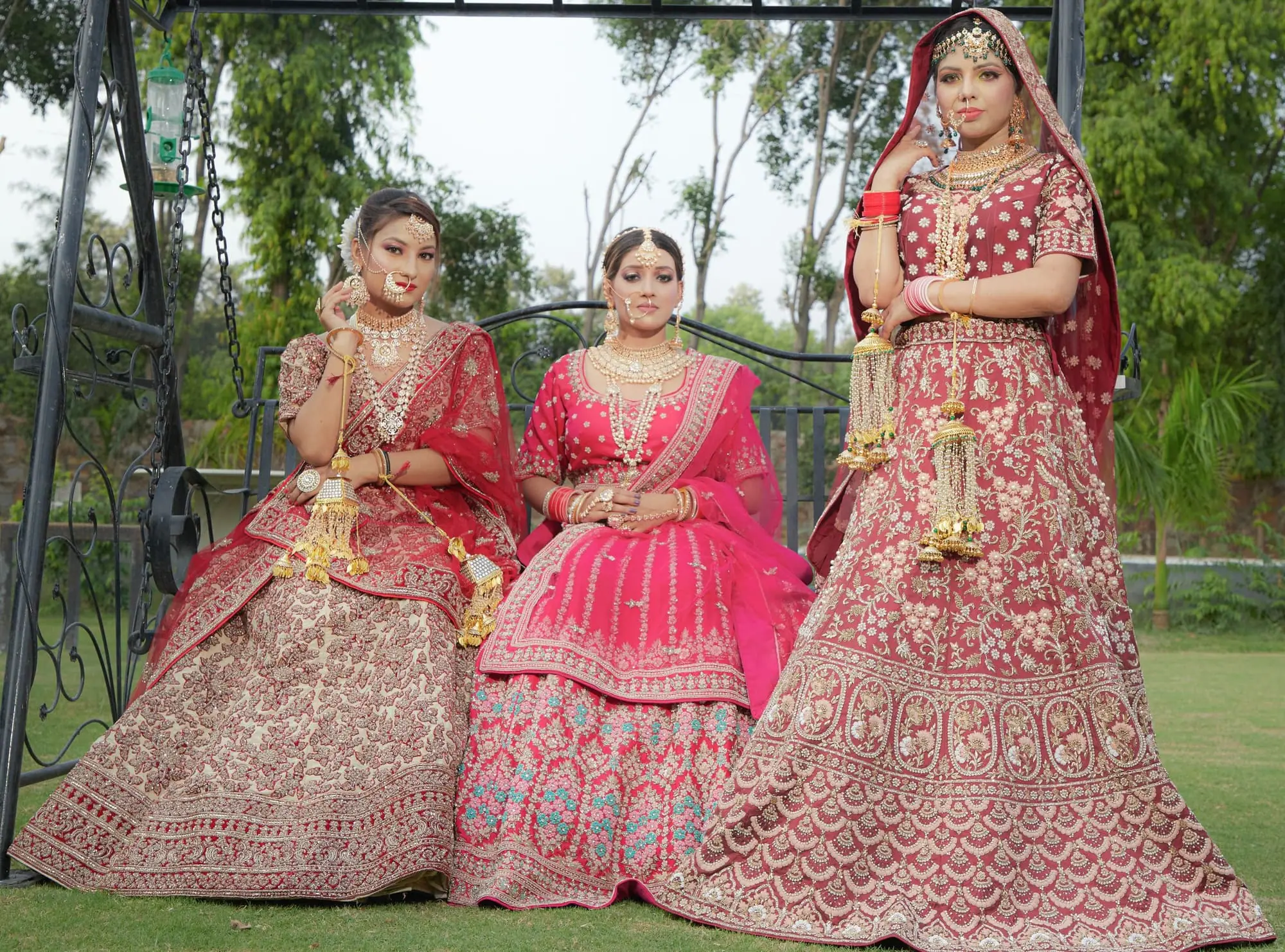
An Indian wedding is rarely one event. Between the haldi, the mehendi, the sangeet, the pheras and the reception, you may need four or five outfits — and each function asks something different of what you wear. The good news: you only need to understand three silhouettes to dress beautifully for all of them.
The three silhouettes at a glance
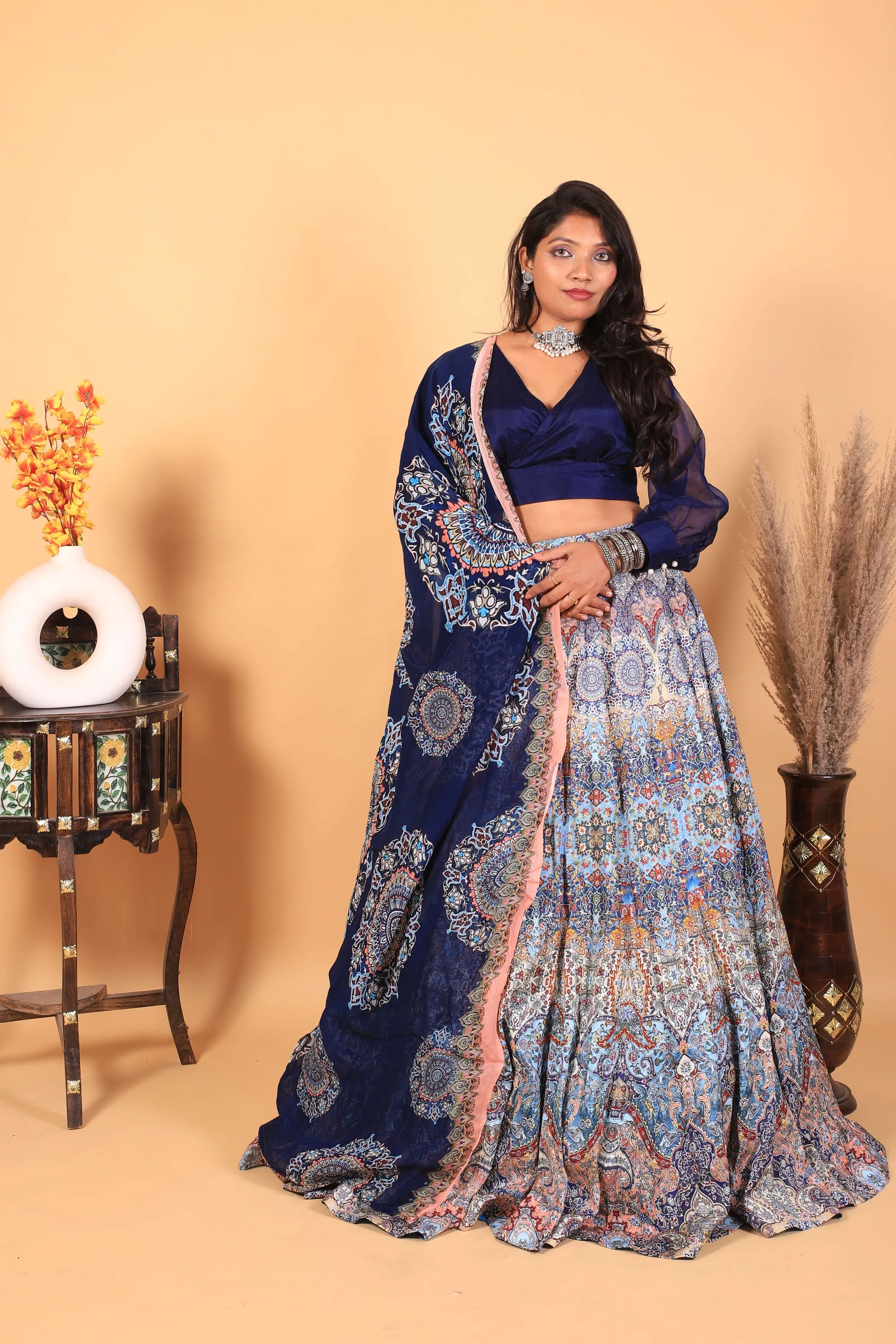
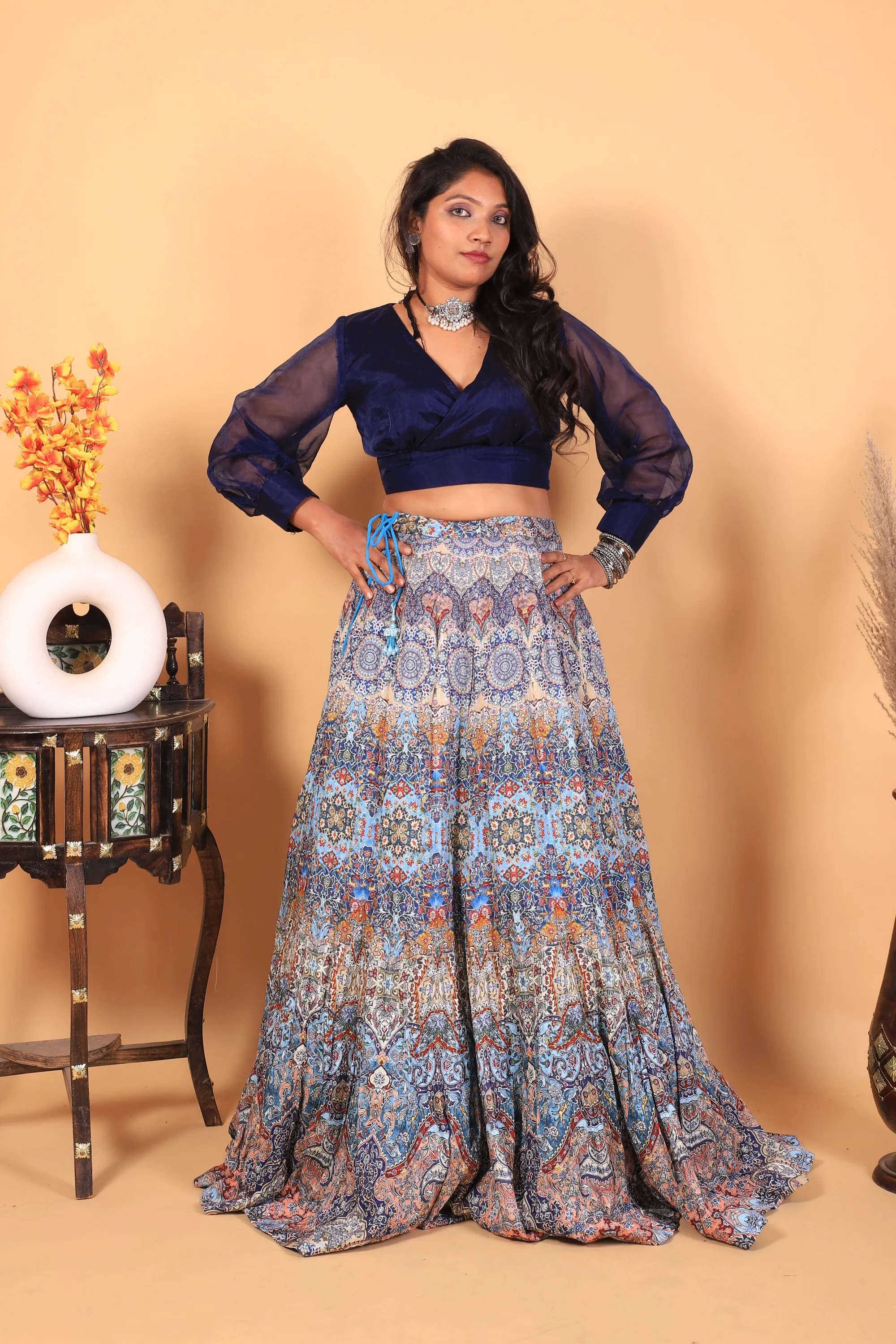
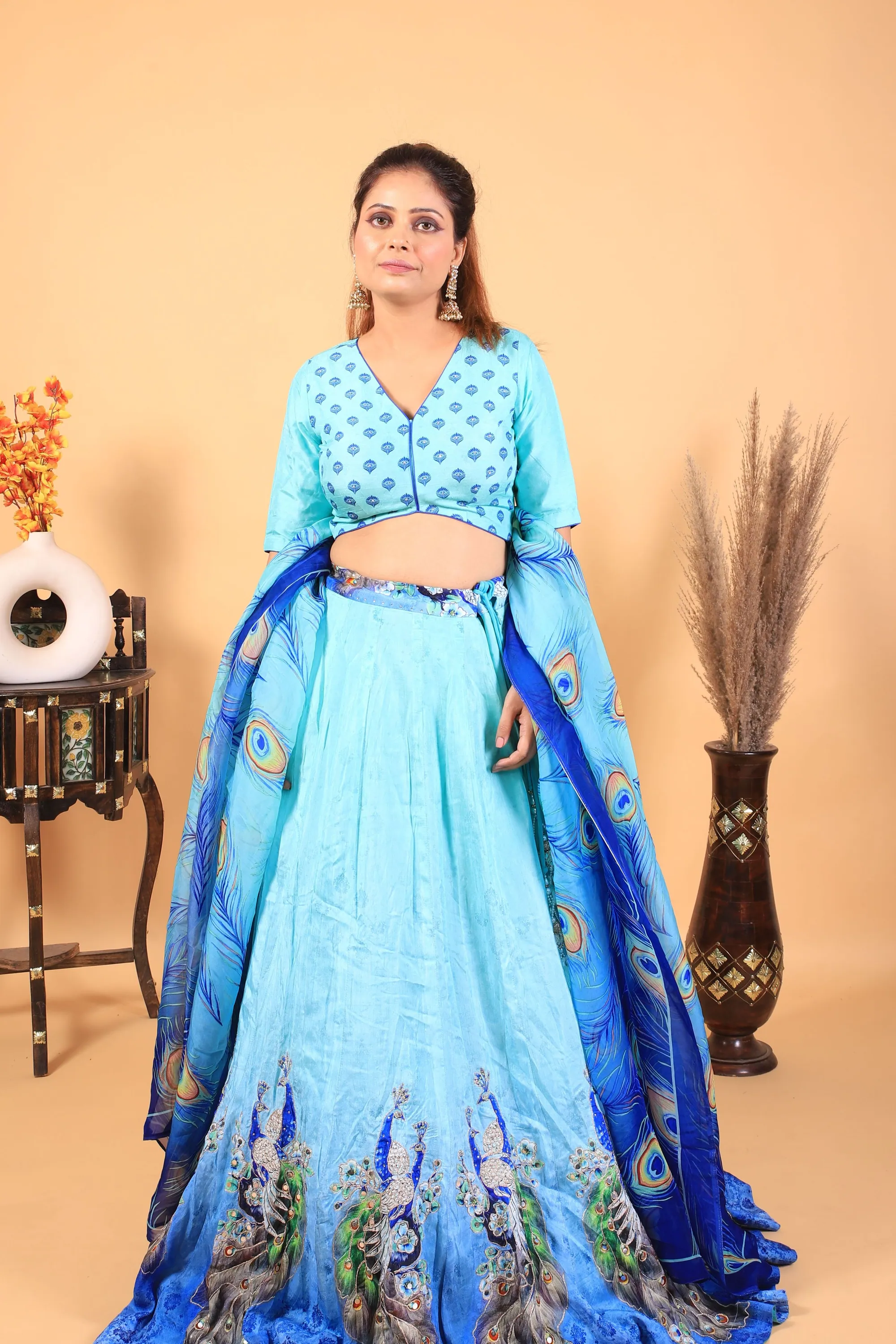
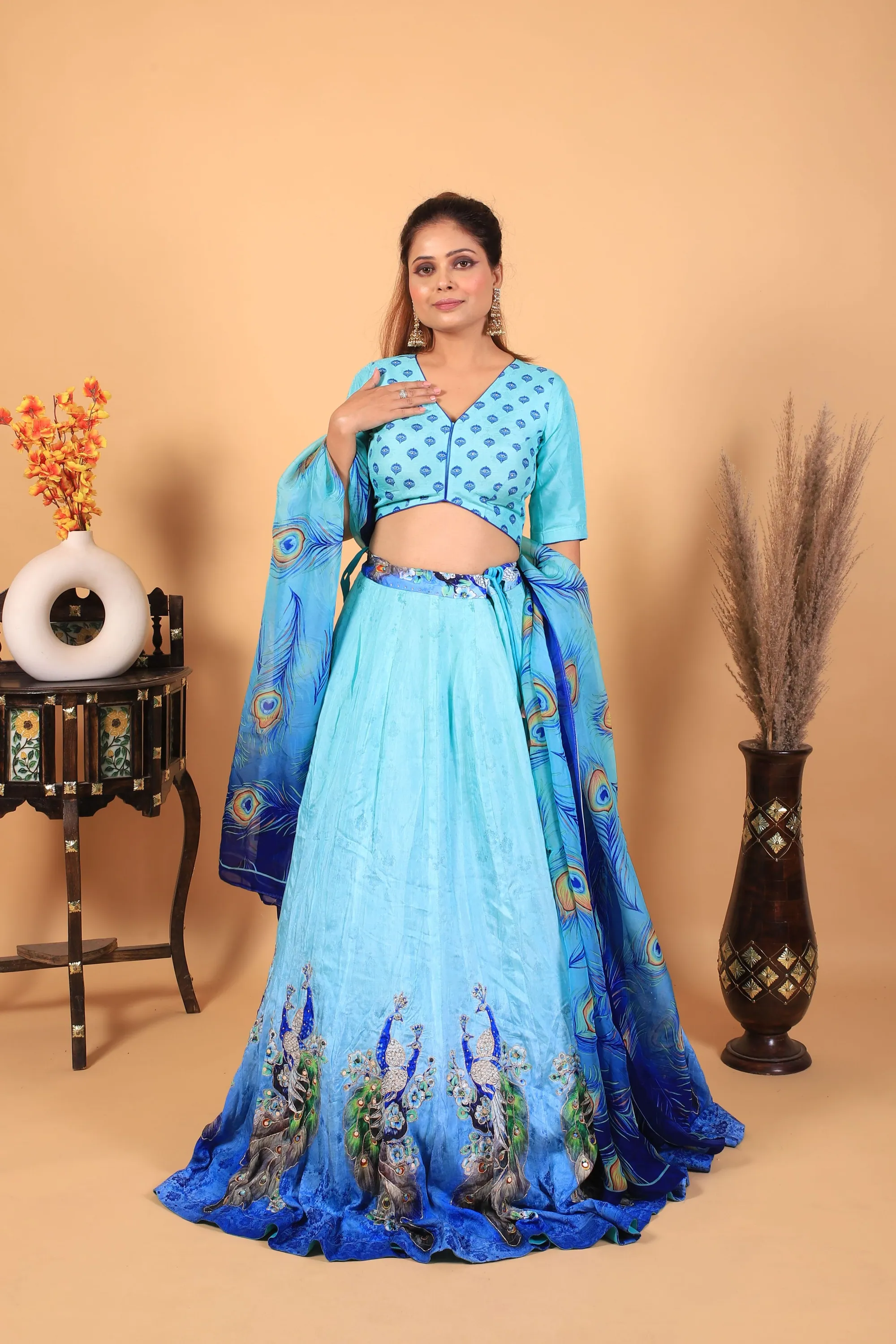
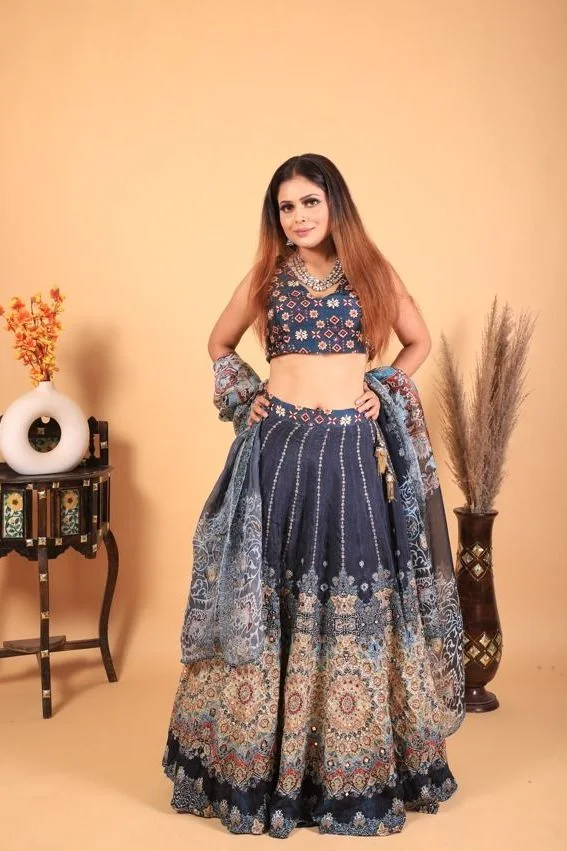
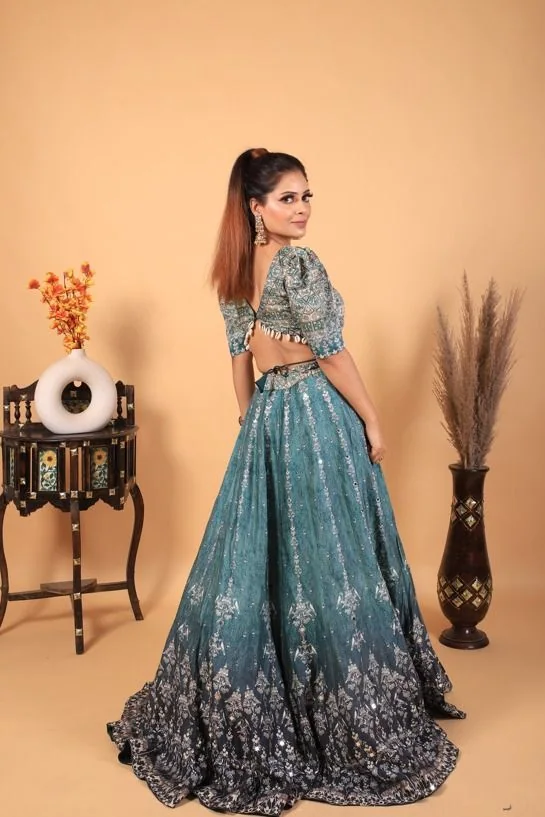
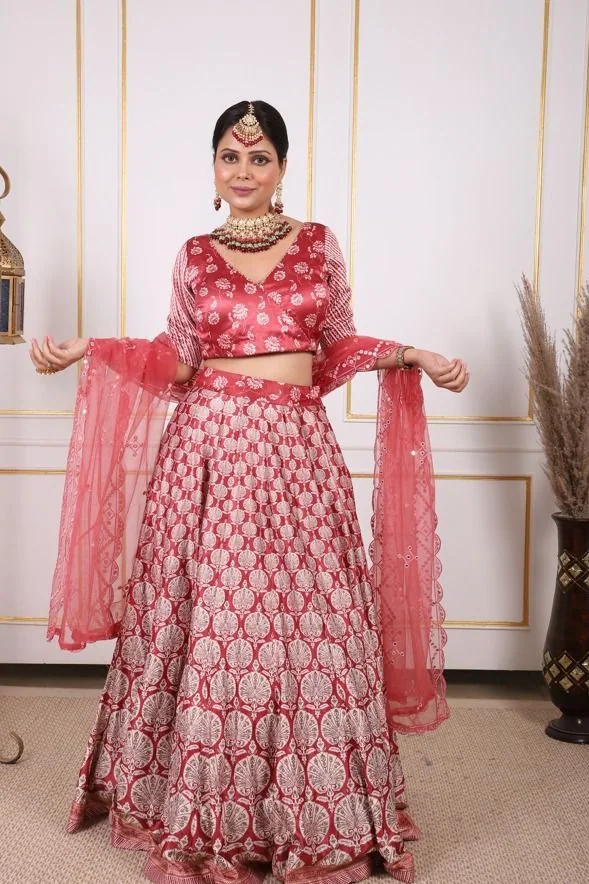
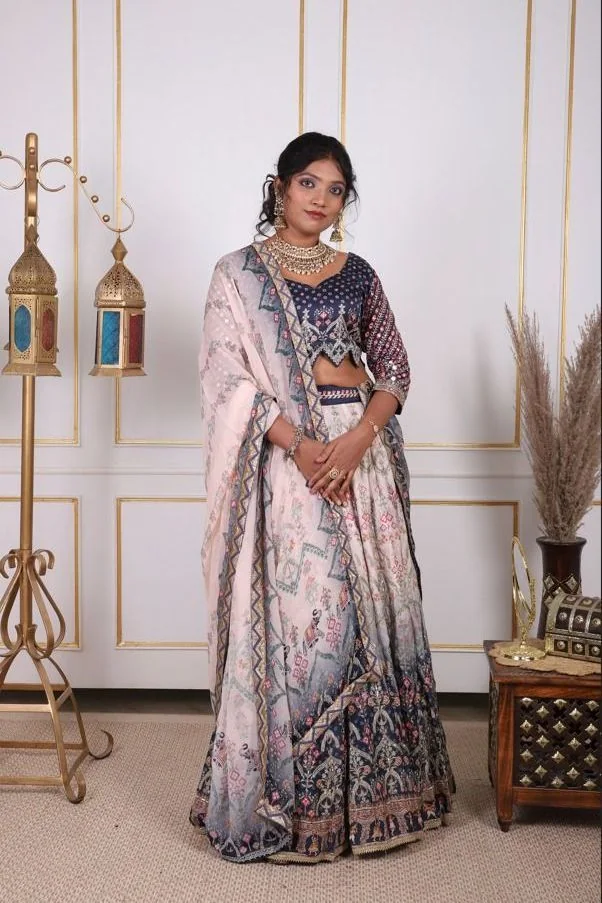
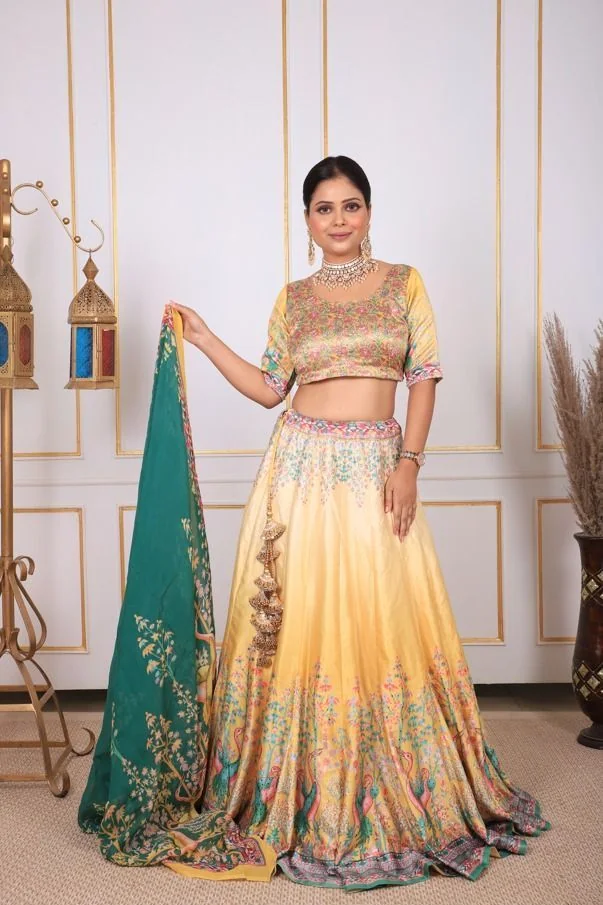
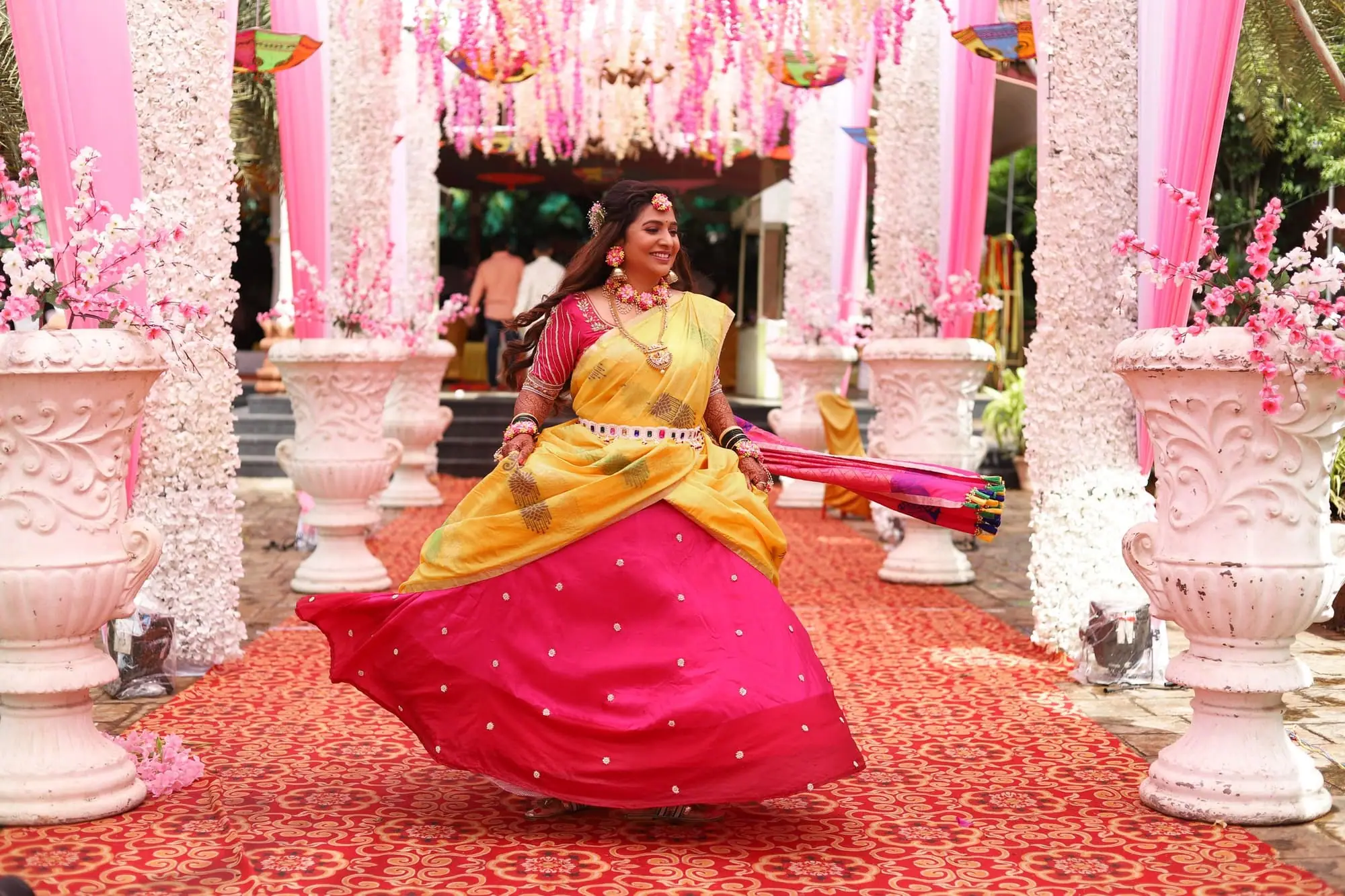
- Lehenga — a flared skirt worn with a choli (blouse) and a dupatta. The most festive and photogenic of the three, and the classic choice for the wedding day, but it can be the heaviest to wear for hours. Browse lehengas.
- Sharara — a short kurta worn with wide, flowing pants that flare from the waist or thigh, plus a dupatta. Easy to sit in, easy to dance in, and a favourite for mehendi, sangeet and bridesmaids. Browse sharara sets.
- Anarkali — a long kurta fitted through the bodice that flares from the waist, worn with a pant and dupatta. Elegant, flattering on most body types and comfortable through a long function. Browse anarkalis.
Function by function
Haldi. Expect turmeric everywhere, so choose a light, washable fabric and save your heaviest embroidery for later. Yellows, marigolds and bright prints suit the mood; a printed anarkali, a light lehenga or a cotton suit set all work. Our Basant Bahaar edit is built around haldi colours.
Mehendi. You'll spend a long time seated while the henna dries, which makes the sharara the easiest choice. Greens are traditional, with pinks, mints and yellows close behind. If you're having henna on your arms, short or elbow-length sleeves keep it clear.
Sangeet. This is the night to dance. A lighter lehenga with sequins or shimmer, a sequinned sharara or a full-flared anarkali all move beautifully. Avoid anything so heavy it tires you out before the first performance — see our party wear.
The wedding. For the bride, this is the lehenga's moment. For guests, rich colour and your finest work are welcome — though many families prefer guests to leave bridal red to the bride. An embroidered anarkali or suit set is a comfortable alternative to a heavy lehenga for a long ceremony.
Reception. Usually an evening event, so jewel tones, pastels with shimmer and sequins come into their own. A lehenga or an anarkali with statement earrings and heels is the classic reception look.
Comfort is part of the look
Think about how long you'll wear the outfit and what you'll be doing. A lehenga with a full can-can looks spectacular but takes up space at a dinner table; a sharara is far easier in a car and on a dance floor; an anarkali keeps you cool and covered through a long puja. For outdoor and garden venues, ankle-length hems stay cleaner than floor-sweeping ones.
Season matters too. Velvet and raw silk are wonderful at winter evening weddings and exhausting at summer daytime ones, where georgette, chanderi, organza and cotton keep you comfortable.
Fit and proportion
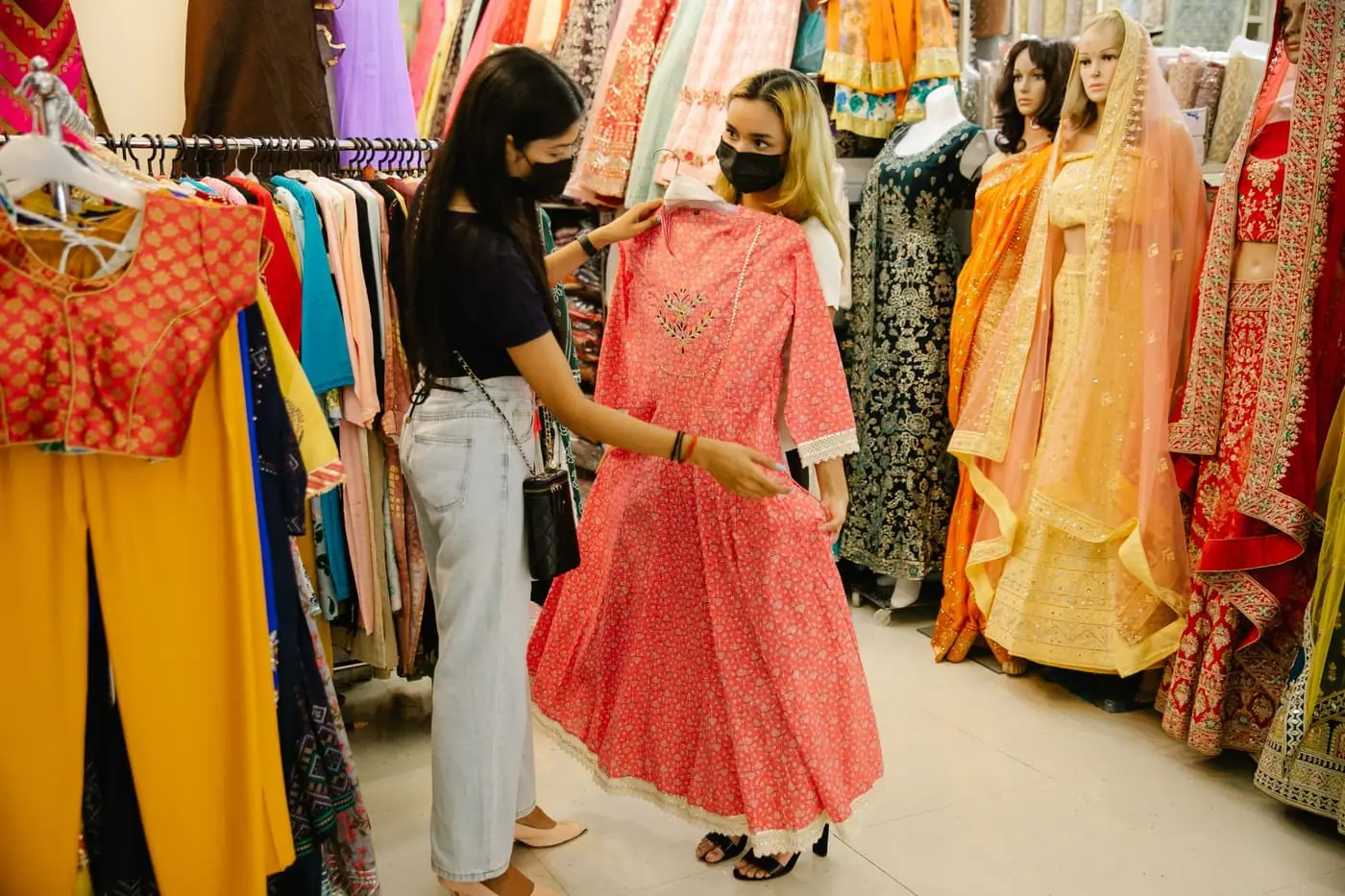
Wear what makes you happy — but if you're unsure, anarkalis define the waist and then flow, shararas lengthen the leg line when worn with heels, and lehengas suit almost everyone when the length is right. Petite? Ask for a custom length so the hem doesn't swallow you. Tall? Lehengas and shararas show off the flare beautifully. Most of our styles can be made to your measurements at no extra cost.
Get more wear from every outfit
Shararas and anarkalis are easy to re-wear at Eid, Diwali and family functions. A lehenga can be split up afterwards: the skirt with a crop top or a shirt, the choli under a saree, the dupatta over a plain suit. Choosing versatile colours makes all of this easier.
Before you order: a quick checklist
- Measure your bust, waist and hip and check the size guide — if you're between sizes, go one size up.
- Check the dispatch time on the product page: made-to-order pieces take 7–12 working days before dispatch, plus 2–7 days for delivery.
- Choose the fabric for the season and the venue, not just the colour.
- Plan your footwear before you choose a length — heels change it by inches.